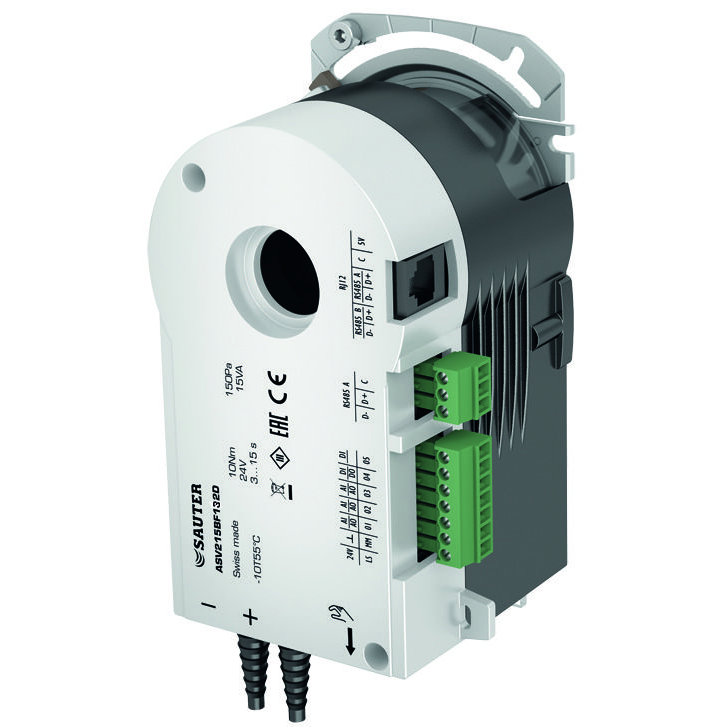
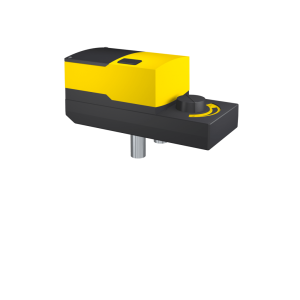
VAV compact controller
Model
ASV205BF132E, ASV215BF132E
How energy efficiency is improved
Demand-based volume flow control in order to optimise energy consumption in ventilation systems. Differential pressures of at least 1 Pa can be controlled to allow minimal volume flows at the lowest duct pressure and energy consumption.
Features
- Supply and return air control for individual rooms such as offices, conference rooms and hotel rooms, in conjunction with a VAV box or a damper and flow probe.
- Pressure control in supply and return air ducts for low-noise, energy-efficient air distribution.
- Static measurement of differential pressure with MEMS sensor
- Can be used for measuring in areas with dirty or contaminated return air
- Low energy consumption and long serviceable life thanks to low-wear stepping motor
- Electromechanical torque-based switch-off for safe operation
- Extremely simple installation due to self-centring shaft adapter
- Disengageable gear unit for manual adjustment and positioning of damper
- Integrated second control loop for the following applications::
-
Duct pressure and zone control
- Room climate regulation
-
- 2 x RS-485 bus interface on RJ12 and connection terminal
-
Up to 31 subscribers in a segment with SLC (SAUTER Local Communication) protocol
- Communication within network via BACnet MS/TP
-
- Input and output signals for connecting:
-
Setpoints and actual values
- Power outputs for reheaters and recoolers
- EY-RU 3** digital room operating units
- Analogue output
-
- Easy programming of the following applications using the SAUTER CASE VAV software:
-
Volume flow control
- Room pressure control
- Duct pressure control
-
- Adjustable end values of the differential pressure measuring range
-
100…300 Pa
-
- Efficient control algorithm for fast control loops
- Priority control via switching contacts
- Zero point can be calibrated
Related
Similar Products
ASV215BF152*
VAV compact controller for laboratory and pharmaceutical applications
YYO 300
OPC server
TUP 224 F9..
Pneumatic sash sensor
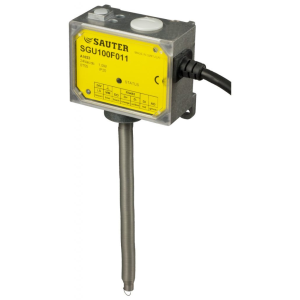
SGU 100
Sash sensor
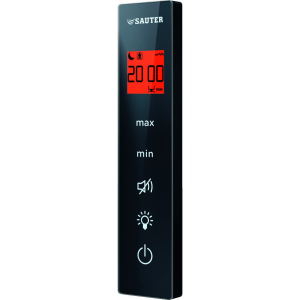
FCCP 200
Fume-cupboard indicator and monitor
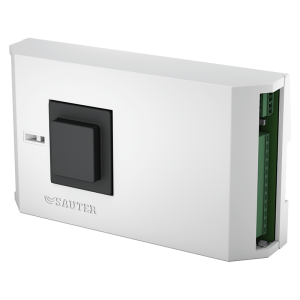
EY-RC 311
Room controller, ecos311
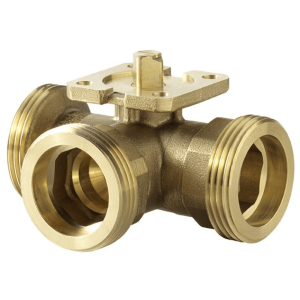
BKRA
3-way regulating ball valve with male thread, PN 40
ADM 322S